When shopping for a new sofa, one of the most common questions people ask is:
“Is it genuine leather or PU leather?”
At first glance, many sofas can look very similar. Some artificial leathers even resemble genuine leather quite closely. However, the materials, comfort, durability, and long-term performance can be very different.
If you are investing in a sofa for your home, understanding the difference between genuine leather and PU leather can help you make a better decision.
What Is Genuine Leather?
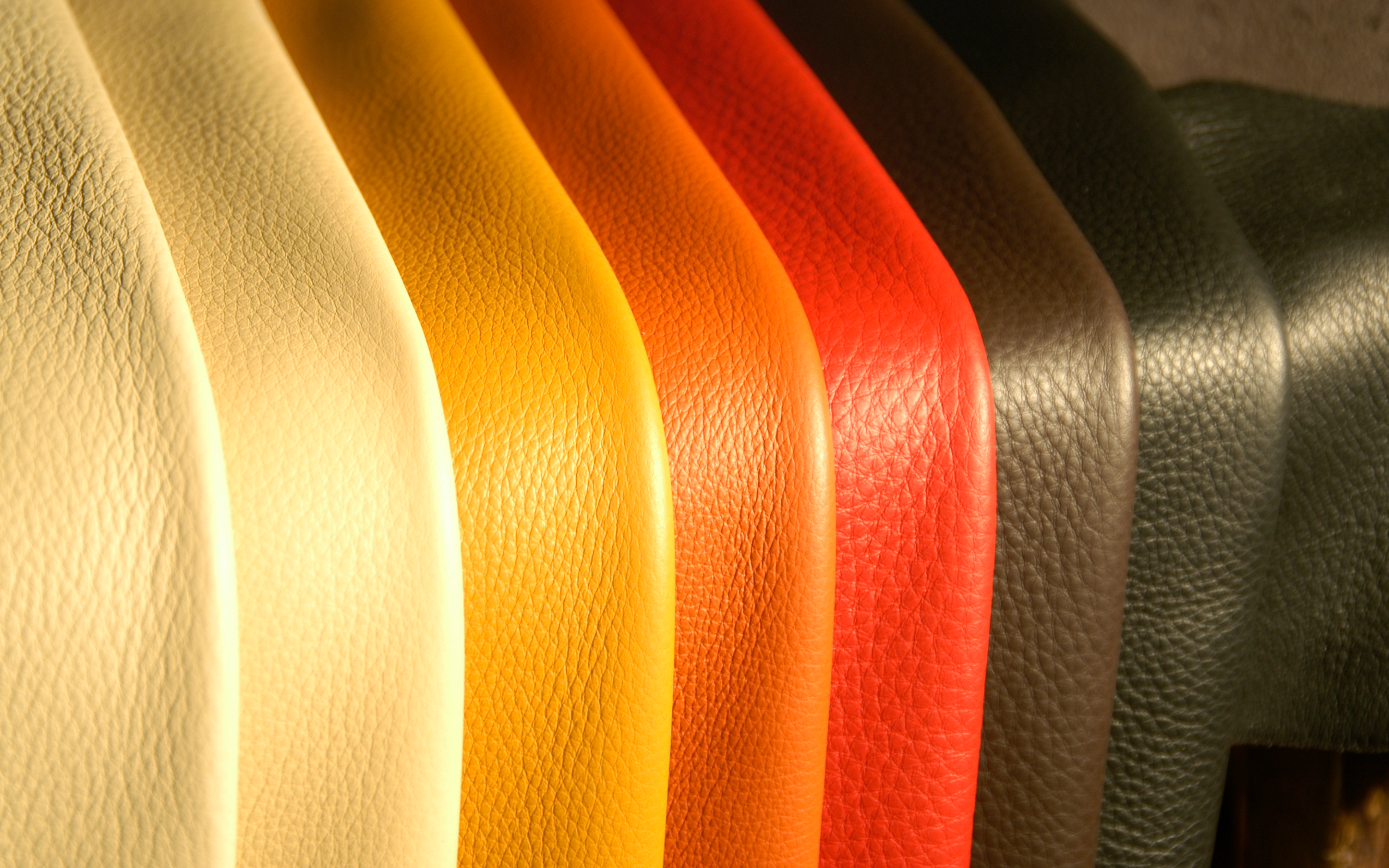
Genuine leather is made from natural animal hides that have been processed and treated for furniture use. Every hide has its own natural grain, texture, and characteristics, making each leather sofa unique.
High-quality leather offers:
- Natural softness and comfort
- Excellent breathability
- Unique texture and grain
- Long lifespan
- A premium appearance that improves over time
Leather furniture has been used for generations because of its durability and timeless style.
What Is PU Leather?
PU leather, also known as polyurethane leather, is a synthetic material designed to imitate the appearance of real leather.
PU leather is usually made from a fabric base coated with polyurethane.
Its advantages include:
- Lower cost
- Consistent appearance
- Easy cleaning
- Wide range of colours
However, because it is an artificial material, it does not provide the same breathability, softness, or longevity as genuine leather.
Comfort and Feel
One of the biggest differences is comfort.
Genuine leather adapts to body temperature and becomes softer over time. It breathes naturally, making it more comfortable during both summer and winter.
PU leather does not breathe as well and can sometimes feel warmer or stickier during hot weather.
Many customers notice the difference immediately when sitting on both materials side by side.
Durability and Lifespan
A quality genuine leather sofa can last 10 to 20 years or more with proper care.
PU leather generally has a shorter lifespan. Over time, the surface coating may crack, peel, or wear, especially in high-use areas.
For households that use their sofa every day, durability becomes an important consideration.
Maintenance
Both materials are relatively easy to maintain.
For genuine leather:
- Wipe regularly with a soft cloth.
- Avoid direct sunlight.
- Use leather conditioner periodically.
For PU leather:
- Clean with a damp cloth.
- Avoid harsh chemicals.
- Keep away from excessive heat.
Proper care can significantly extend the life of any sofa.
Is Thicker Leather Always Better?
Many customers ask about leather thickness.
While thickness is one factor, it does not always determine quality.
The tanning process, softness, grain quality, finishing, and leather type often have a greater impact on comfort and durability than thickness alone.
A softer premium leather can sometimes outperform a thicker but lower-quality leather.
Which One Is Right for You?
Choose genuine leather if you want:
- Long-term durability
- Premium comfort
- Natural appearance
- Better ageing characteristics
- A long-term investment
Choose PU leather if you want:
- Lower initial cost
- Temporary furniture solutions
- Minimal investment
- Decorative applications
Final Thoughts
There is no single answer that suits every home.
Both genuine leather and PU leather have their place in the furniture market. However, for customers looking for comfort, durability, and long-term value, genuine leather remains one of the most popular choices.
At Stylez Home Living, we believe furniture should not only look good today but continue to perform for many years to come.
Visit our Auburn showroom to experience the difference between genuine leather and other upholstery materials in person.