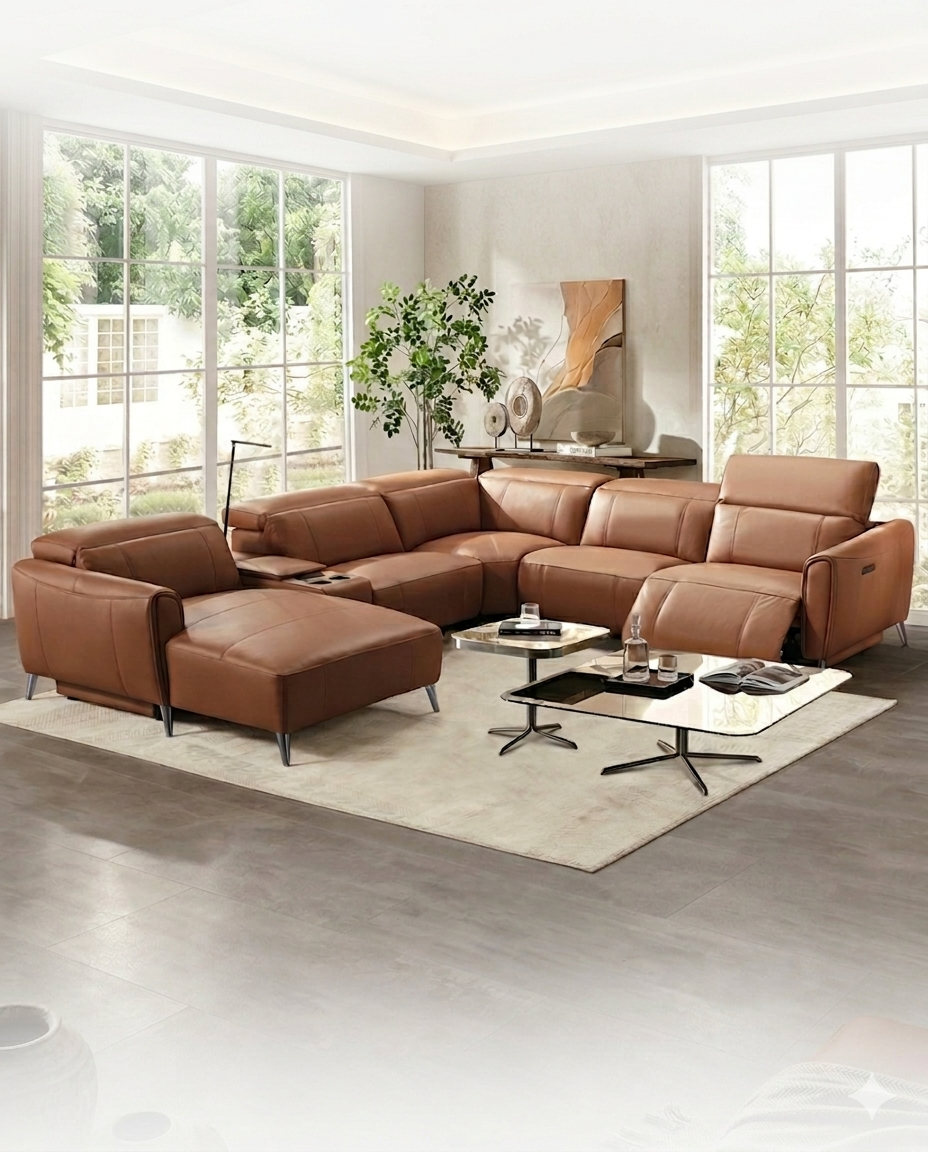
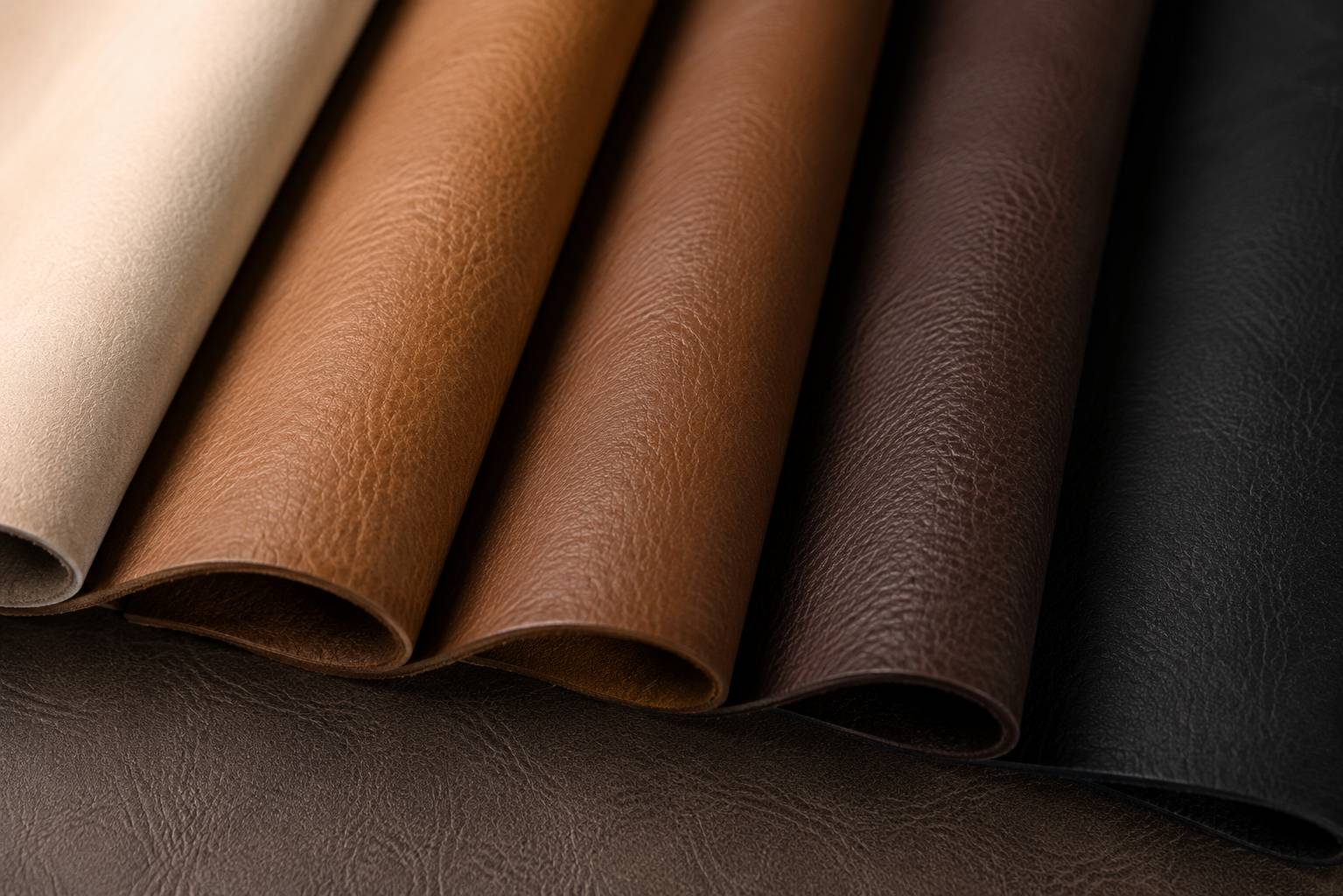
Is Thicker Leather Always Better? Understanding Leather Quality Beyond Thickness
When shopping for a leather sofa, many customers ask one common question:
“How thick is the leather?”
Some furniture advertisements highlight leather thickness such as 1.2mm, 1.5mm, or even 2.0mm, making many buyers believe that thicker leather automatically means better quality.
However, the reality is more complicated.
Leather thickness is only one factor, and it is often not the most important factor when evaluating the quality of a leather sofa.
Why Do People Focus on Leather Thickness?
Thickness is easy to measure and easy to advertise.
Many retailers use thickness as a selling point because it provides a simple number that customers can compare.
However, leather quality depends on several factors, including:
-
Leather type
-
Grain quality
-
Tanning process
-
Softness and flexibility
-
Finish and protection
-
Manufacturing quality
A thicker leather does not necessarily provide better comfort, durability, or appearance.
Different Types of Leather
Not all leather is created equal.
Common furniture leather types include:
Full Grain Leather
The highest quality leather that retains the natural grain and character of the hide.
Top Grain Leather
Sanded and finished for a smoother appearance while maintaining excellent durability.
Corrected Grain Leather
Surface imperfections are corrected and coated to create a uniform look.
Each type performs differently regardless of thickness.
Comfort Matters More Than Thickness
Many premium European leathers are softer and more flexible than some thicker leathers.
A leather that feels natural, supple, and comfortable often provides a better seating experience than a very thick and stiff leather.
Customers usually notice this difference immediately when sitting on different sofas.
Durability Depends on More Than Thickness
Leather durability depends on:
-
Hide quality
-
Tanning methods
-
Protective finish
-
Daily use
-
Maintenance
A properly treated 1.3mm premium leather may last longer than a poorly processed 2.0mm leather.
Why Softer Leather Can Be Better
Softer leathers provide:
-
Better comfort
-
More luxurious feel
-
Improved flexibility
-
Better appearance over time
Some natural creasing is normal and is considered part of genuine leather's character.
How Should Customers Evaluate Leather?
Instead of asking only about thickness, consider these questions:
-
Is it genuine leather?
-
What type of leather is used?
-
How does it feel?
-
Is it soft and comfortable?
-
How is the leather finished?
-
Does it suit your lifestyle?
These factors often provide a better indication of quality.
Final Thoughts
Leather thickness is only one part of the story.
A high-quality leather sofa combines comfort, durability, softness, and craftsmanship.
At Stylez Home Living, we encourage customers to sit on different sofas, touch the leather, and experience the material in person rather than relying solely on thickness specifications.
Choosing the right leather is about the overall quality, not simply the number on a specification sheet.